

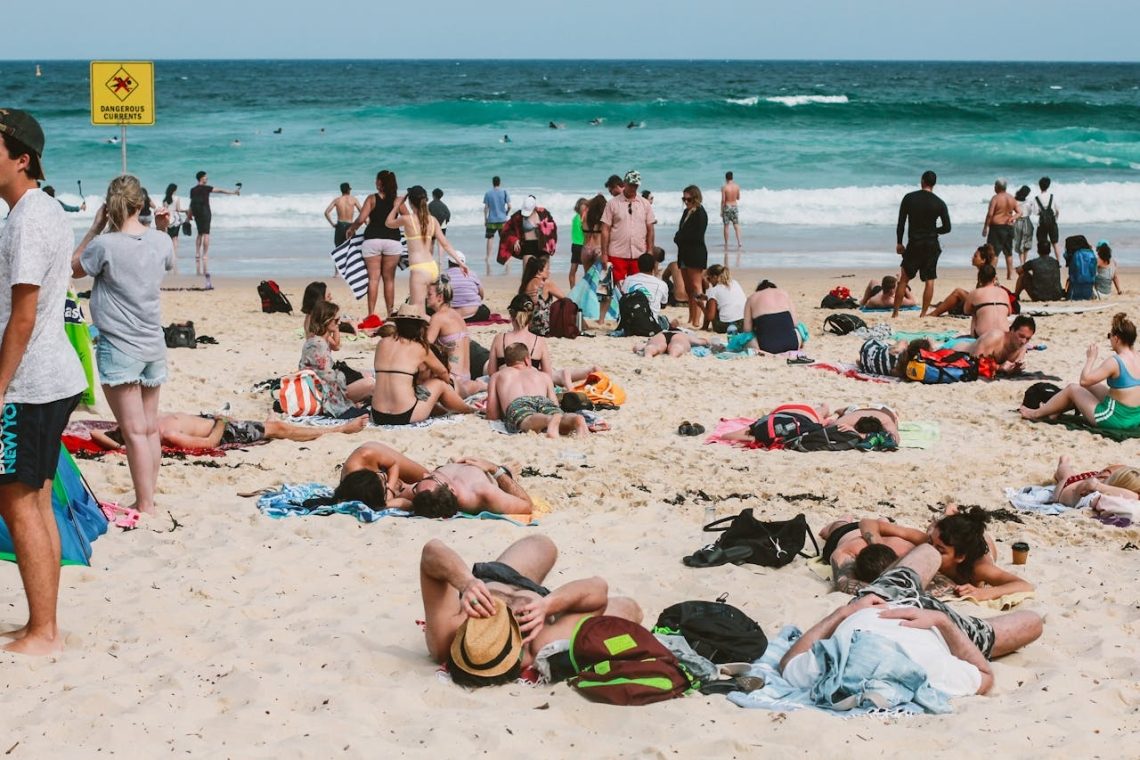
In towns along the Ionian Sea, two people can dine by the water for €30–40, stay in an air-conditioned apartment for significantly less than on the Adriatic, and enjoy nearly free sunbeds. In Montenegro and Croatia, a similar dinner often costs more than €70, accommodation is pricier, and sunbeds are placed close together, adding to the crowding. Some visitors also report rudeness, a lack of hospitality, and restrictions such as bans on dogs at beaches.
The president of the Halkidiki Accommodation Providers Association, Stelios Koutsouris, explained that Greece maintains a tradition of genuine hospitality, which is part of everyday life. He highlights safety, diverse nature, and destinations with lower prices due to limited accessibility and the absence of mass tourism as key advantages.
Montenegrin hoteliers acknowledge that prices have risen, citing higher supply costs, a shortage of labour, and expensive beach leases as the main reasons. They stress the need for investment in staff training, expanding air connections, and improving the country’s promotion. They also see significant potential in developing rural tourism, offering visitors peace and an authentic culinary experience.
Natural beauty alone is not enough. Without a long-term strategy, sustainable development, and an improved attitude toward visitors, the Adriatic could lose part of its appeal. Greece, for now, successfully maintains its reputation as a destination where guests feel welcome and receive fair value for their money.
