

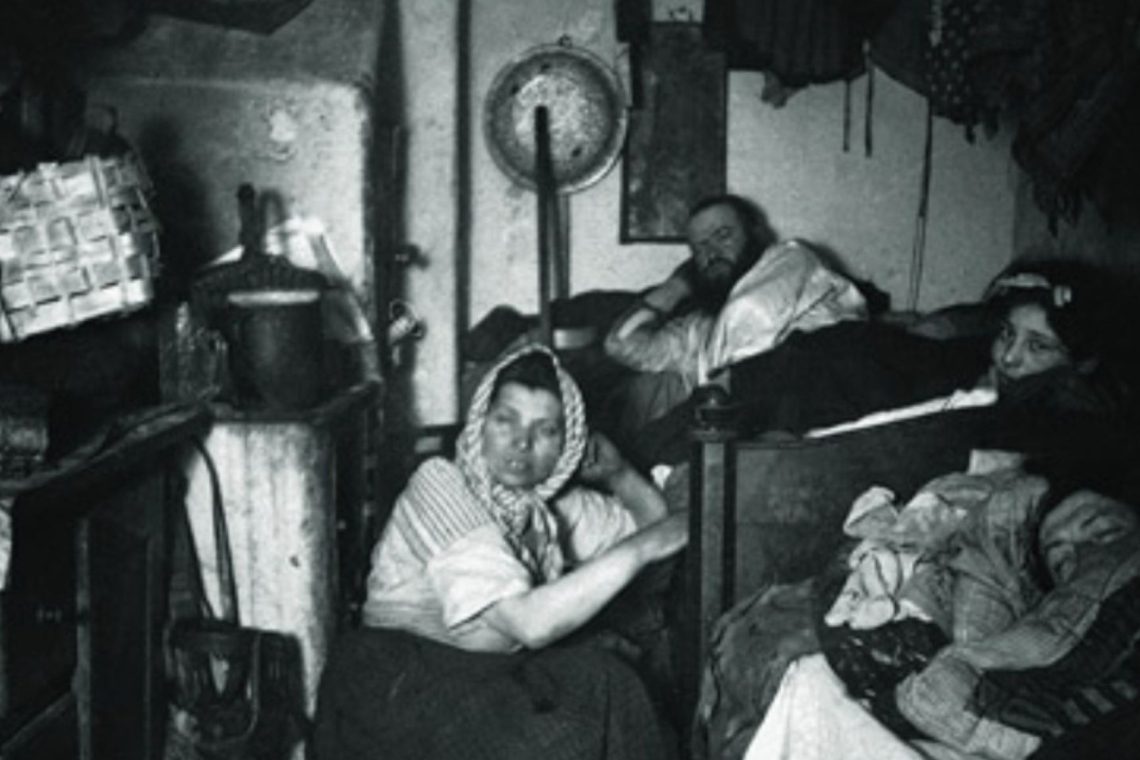
During the Second World War, thousands of Slovenians were expelled from their homes. As early as 1941, German authorities began systematically deporting Slovenian families to camps in Germany and occupied Serbia. Entire villages, such as those near Brežice and Celje, were almost entirely emptied. Families were torn apart—children sent for re-education, adults to forced labour camps. This traumatic experience remains deeply rooted in the collective memory. Many towns and villages preserve it through memorial ceremonies and museum exhibitions. In Celje, there is a dedicated Memorial Centre for the Expulsion of Children, and across Styria and Carinthia, monuments bear the names of the displaced.
Croatia experienced similar tragedies. Following the invasion by Nazi and fascist forces, many Serbs, Jews, and political opponents were imprisoned or forced to flee. Some escaped southward to join the partisan resistance, while others attempted to reach Italy, Greece, or even North Africa via smuggling routes and ships. In Serbia, occupiers deported large numbers of people, especially from border areas like Vojvodina, where systematic resettlement by German authorities took place. Many fled eastward into the interior or south to Montenegro and Albania.
In Bosnia and Herzegovina, the population fled en masse from violence and massacres carried out by both Ustaše and Chetnik forces. Many families never returned, and others emigrated permanently. Over the following decades, countless individuals left for safety or economic opportunity.
After the war, a new wave of migration began. People from rural areas moved to industrial centres such as Ljubljana, Zagreb, Belgrade, and Sarajevo. In the 1960s and 1970s, a major wave of organised labour migration emerged. Yugoslav "gastarbeiters" left to work in Germany, Switzerland, Austria, France, and Sweden. Many settled permanently, and their children grew up bilingual. Despite the distance, ties to their homelands remained strong. Even today, in many villages across Herzegovina, Macedonia, Serbia, and Montenegro, most working-age men are employed abroad.
Yet the region's migration stories go back even further. In the late 19th and early 20th centuries, many Slovenians, Croats, and Serbs emigrated to the United States, Canada, Argentina, and Brazil. Slovenians from regions such as Gorenjska, Notranjska, and Koroška sought work in the coal mines of Pennsylvania, Illinois, and Ohio. Croatian communities from Dalmatia and Lika settled in Cleveland, Chicago, Buenos Aires, and Melbourne. Serbs from southern Serbia, Bosnia and Herzegovina, and Montenegro fled from Ottoman and later Austro-Hungarian rule, with many more emigrating after World War I. Today, many descendants of these migrants still speak fragments of their ancestors’ languages and maintain traditions during holidays.
In Rijeka, the Croatian Emigration Museum opened in 2023. Through modern exhibits, it traces migration routes, causes, and consequences. The museum combines personal stories, ship tickets, letters, and objects carried by families. Visitors can connect with the lives of both those who left and those who stayed behind.
The reasons for leaving have always been concrete. People fled war, persecution, poverty, or a lack of opportunity. Today, young people more often leave in search of better salaries, education, and living standards.
But even those who leave maintain their connections. Every summer, the diaspora returns to their hometowns—for holidays, to visit family, or to celebrate local festivals. In villages where houses remain empty for most of the year, August brings life to streets, courtyards, and cafés. Municipal holidays often include “Returnee Days,” with exhibitions on local migration history, folklore performances, and talks with guests from abroad.
Many municipalities are now actively collecting and documenting stories of exile and migration. In addition to physical monuments, digital archives are growing—collections of testimonies, photographs, and migration maps. In schools, children explore their family histories, sharing stories of where their grandparents went, why they left, and how they stayed in touch.
Preserving memory is not just about honouring the past. It is a way for locals to understand why their communities look the way they do—who stayed, who returned, and who lives far away but remains emotionally tied to the land. In this region, travelling abroad is often not a number in a report, but a deeply personal story.
